Despite our mild winters, aging pipe infrastructure, sudden temperature swings, and expansive clay soil create a perfect environment for pipe failures. Here's what drives them, what they cost, and how to respond when one happens to you.
Why Pipes Burst in Houston
Freeze Events
The 2021 Winter Storm Uri proved exactly how vulnerable Houston's plumbing infrastructure is to cold. Pipes in attics, exterior walls, and crawl spaces — areas that go uninsulated because they rarely need it — froze and burst across hundreds of thousands of homes. Unlike northern states, Houston homes simply aren't built with freeze protection in mind. Even a brief dip to 20°F for 6+ hours is enough to freeze standing water in exposed pipes.
Aging Pipe Material
Many Houston homes built before 1990 still have galvanized steel or polybutylene (poly-B) pipes. Galvanized steel corrodes from the inside out over decades — reducing flow, causing pinhole leaks, and eventually failing under pressure. Poly-B was widely used from the 1970s–1990s and is known to become brittle and crack over time, especially in hot climates. If your home is 30+ years old and has never had a plumbing assessment, you're likely operating on borrowed time.
Water Pressure Problems
Normal residential water pressure runs 40–80 psi. Chronic high pressure — anything consistently above 80 psi — stresses pipe joints and fittings. Over time, it causes micro-fractures that eventually fail, often at the worst possible moment. A $30 pressure gauge at the hose bib tells you instantly where you stand.
Soil Movement
Houston's black clay soil expands when wet and contracts when dry. This constant movement can shift foundation slabs, which places lateral stress on supply lines running beneath or through them. Slab leaks — pipes that burst or crack under the foundation — are endemic to the Houston market and often go undetected for months.
What a Burst Pipe Costs
Costs vary dramatically based on cause, location, and how quickly the problem is identified.
| Situation | Estimated Cost |
|---|---|
| Simple pipe repair (accessible location) | $150 – $500 |
| Pipe repair requiring drywall access | $500 – $1,500 |
| Slab leak repair (spot repair) | $2,000 – $4,000 |
| Slab leak (full reroute) | $5,000 – $15,000+ |
| Water damage restoration (minor) | $1,500 – $5,000 |
| Water damage restoration (major) | $10,000 – $30,000+ |
| Mold remediation (if delayed response) | $2,000 – $15,000 |
The pipe repair itself is often the smallest expense. The real cost comes from water damage — and that cost multiplies the longer water is present before mitigation begins. Homeowner's insurance typically covers sudden burst pipe damage (not the pipe itself, but the resulting water damage), provided the failure wasn't caused by deferred maintenance.
Warning Signs to Watch Before a Pipe Bursts
Pipes rarely fail without warning. Here's what to look for:
- Discolored water — rust-colored water indicates corroding galvanized pipes
- Low water pressure — gradual reduction often signals internal buildup or a slow leak
- Unexplained water bill increases — even a small leak wastes thousands of gallons per month
- Sounds of running water with no fixtures in use
- Warm spots on floors — a sign of a hot water line leaking beneath the slab
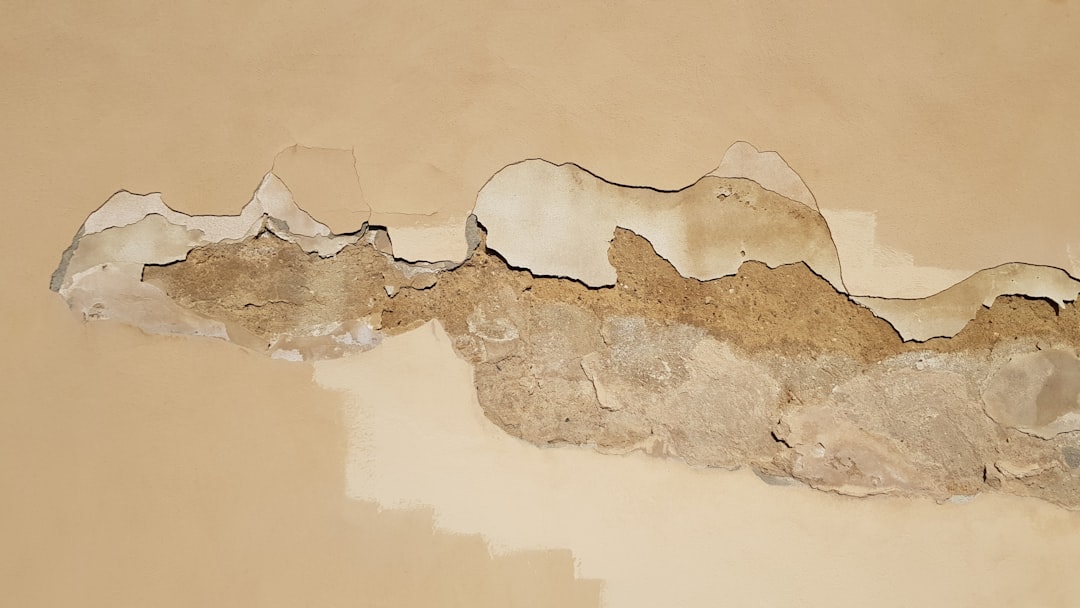
- Cracks in walls or floors — can indicate slab movement affecting pipes below
If you're noticing any of these, a leak detection inspection is far cheaper than emergency restoration.
What to Do When a Pipe Bursts
Immediately:
- Shut off the main water supply — know where your shutoff is before this happens (typically near the street at the meter, or where the main enters the home)
- Turn off the water heater — prevents the tank from running dry and burning out the heating element
- Open faucets to drain remaining water from the lines and relieve pressure
- Photograph and video everything before any cleanup begins
Within the hour:
- Call a licensed plumber to locate and repair the break
- Call a restoration company — water spreads fast into subfloor, wall cavities, and insulation. Waiting even a few hours significantly increases damage scope and mold risk
Prevention: What Actually Works
- Insulate exposed pipes in your attic, garage, and exterior walls before winter arrives — foam pipe insulation takes an hour and costs under $50
- Let faucets drip during freeze warnings, especially on exterior-facing lines
- Install a pressure regulator if your home's supply pressure runs above 80 psi
- Have a plumbing inspection if your home is 25+ years old or shows any of the warning signs above
- Know your pipe material — if you have poly-B or galvanized, start planning replacement before it becomes an emergency
Flat-Out's Approach to Pipe Failures
At Flat-Out Restoration, we handle both sides of a pipe burst — the plumbing repair and the water damage restoration. That matters because a single point of contact means faster response, consistent documentation, and no finger-pointing between contractors when it comes to your insurance claim.
We carry the licenses and equipment to find the break, fix it, extract the water, dry the structure, and confirm no mold has taken hold — from the first call to final inspection. If you've had a burst pipe or suspect a leak, the clock is already running.
Had a burst pipe or suspect a leak?
Call (832) 904-9001 or request a quote online.